

For twelve years, students are forced to suffer through required curriculum and boring subjects until they no longer care about the fundamentals. College is the time to explore! It’s the beginning of your journey where you’ll feel out potential careers and take courses in things that matter to you. One dreadful year to get past the basics, and you’re free of shoddy essay drafts and obnoxiously long math equations. Of course there are outliers who enjoy these subjects, so the question to ask these bizarre folks is why?

I’ve always loved writing, from a tiny third grader to a sophomore in college it’s been a default for me to dive into a good book. However, I’ll be the first to admit that it can be overbearing when you couple enjoyable reading with a hundred pages a week for classes. So, I sought out how to bring that joy and passion for reading without feeling the overwhelming sensation that comes from drowning in stress. What I found beneath the surfaces and the tension of classes was a whole subculture dedicated to literature and creative writing as an outlet. When looking at the different media sources on campus, not all of them revolve around a class or specific subject, rather it’s become a connecting thread between multiple groups and their on-campus presence.
On the Greek side of campus, we have Xi Tau’s ‘Vagina Monologues’, an event that’s held each spring. Where women in the sorority gather to share inspirational pieces of poetry written by women to empower and to destigmatize the beauty of womanhood. Similar in nature to the beautiful verses these women share, is the English departments annual poetry night. An evening that’s forged in feelings and community that highlights the connections between members of the student body. Open to all, these are chances to share their pieces or come and enjoy a night of immense culture that highlights different experiences from members of the student body.
Poetry itself is the type of art that many people don’t consume because of its convoluted nature. However, to see strong willed women and lovers of literature annually seeking this type of work actively reminds me how beautiful the community that rallies behind this art can be. I’ve used many different methods of writing, but poetry has become an alluring source of curiosity because of its implicit nature and the fact that it can be interpreted in so many ways. This is where the beauty of writing lies, it isn’t a one size that fits all kind of things, rather it’s dynamic and allows everyone room to explore their interests and transcribe their own meaning.
When we change the type of literature we observe, we also see that Texas Lutheran University’s Dramatic Media Ensemble creates many of their own works in the form of scripts. These pieces are put on in capstone works, their annual festivals, or in their end of year event called XPressFest. It’s not what you typically think of when you start to look at literature, but for the thirty members of the ensemble who have dabbled in script writing it’s an astonishing way to test their skills and share their work with the community while actively cultivating a sense of connection with their peers.
Part of the reason I place so much emphasis on their scriptwriting is because it’s something I’ve had the opportunity to create myself. Having the opportunity to work with Dramatic Media allowed me to see the care that authors put into their work and the route that the actors take to put them on. It was different from the normal, solitary process of a writer, and it created a collaborative environment where everyone joined in on the discussion. For some people books are too lengthy and a short story lacks depth, but scripts are more digestible and can be viewed in a live format that may better align with your attention spans. Working with yourself to find literature you enjoy is why there are so many varieties at your disposal. The beauty of reading is that you must be willing to explore and experiment with what you don’t like so you can eventually find something that you like.
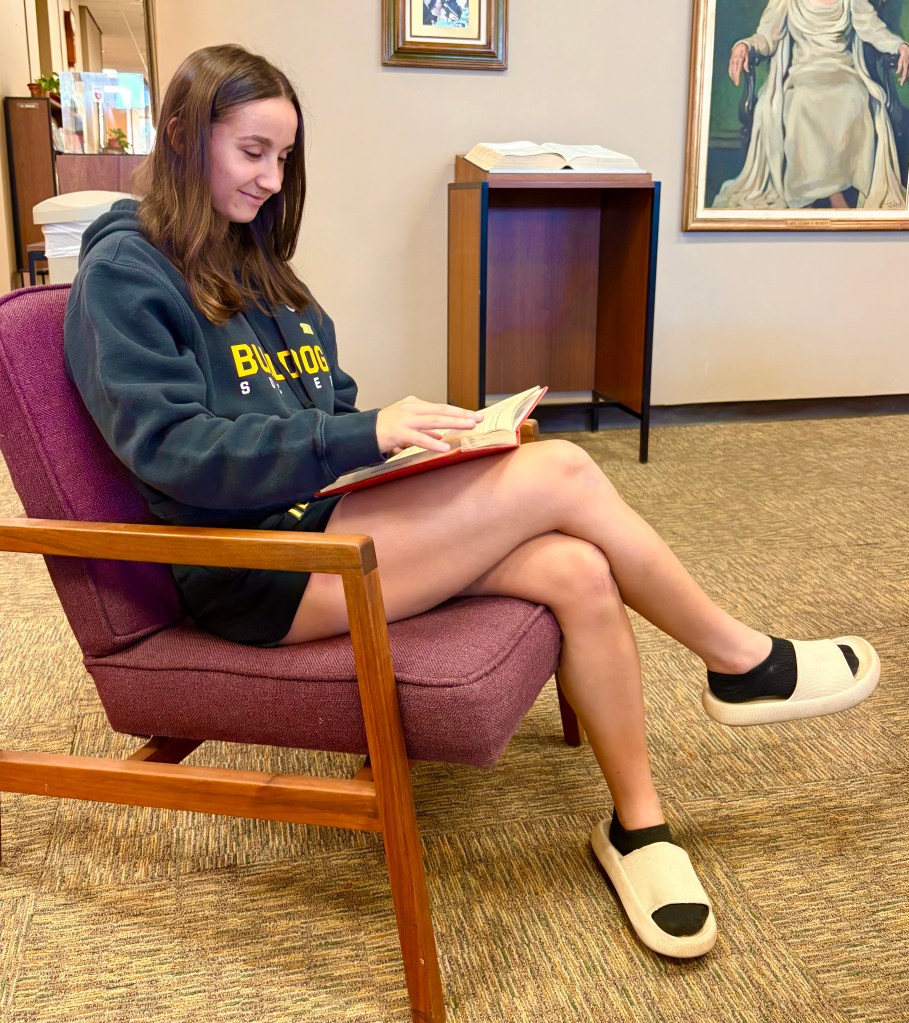
Though many people may deny the effects that literature has had on our campus, the decline in physical media has only developed in recent years. Between October 28th of 1929 and December 7th of 1973, Texas Lutheran University had their own student run paper titled The Lone Star Lutheran. The collaborative paper published 644 student-made issues during its 44 years of active work. So even though we can note the eventual fizzling out of The Lone Star Lutheran, there are other sources that have since taken its place. By reading this article, you are actively contributing to the creation and spreading of news on our campus.
As a member of our Student Media team, I’m working to produce literature in a new form for you to read. Each member of our team produces roughly two pieces a semester, and they’re entirely based on that person’s style, so the chances that you will enjoy something that we are creating or was created in the past are elevated. You may be bored out of your mind reading this piece, but by exploring our site you’ll find videos highlighting athletes, actual studies about memories, or anecdotes about Greek life on campus. There’s so much to see, so why are you denying yourself the pleasure of reading?
My goal isn’t to tell you to go read a book; it’s to open your eyes to the literary experience we have on campus and share the experience with you in hopes that you’ll eventually find something that you enjoy. I will walk you through the loss of literature caused by artificial intelligence, the way that I’ve experienced different types of literature, and give you a way to consume it for yourself if that piques your interest. Perhaps you’ve already determined that this isn’t your type of endeavor, but so long as one person is touched by the literature on campus, it will be a successful venture for me.





Leave a Reply