
Often enough, we find ourselves bumping heads with coworkers, believing that we are just too different or passing by someone every day who deserves a chance to be spoken to. Our differences of age, color, status, and character bring complexity to understanding and working together. But that doesn’t have to be the case anymore.
Texas Lutheran University (TLU) welcomed Dr. Luisa Ruge-Jones, an assistant professor at Dayton University. Her research focuses on group and organizational communication. Dr. Jones spoke at TLU regarding how we can talk among people who are different than we are. Dr. Jones studies these areas of how we can communicate with our differences and offers us skills we can practice.
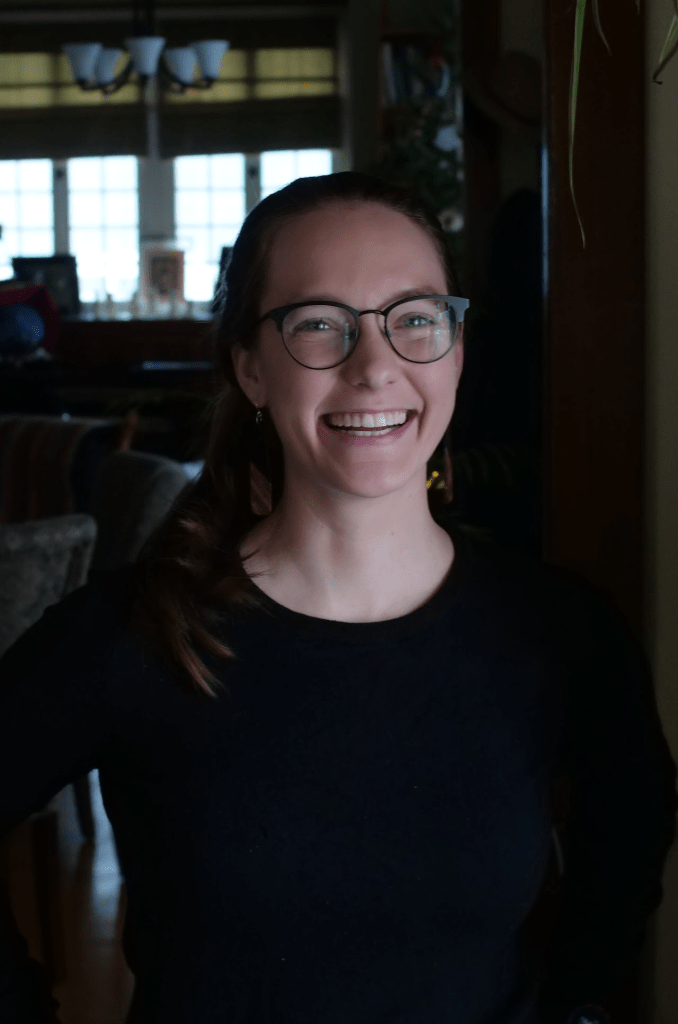
Before we begin, let me tell you a little bit about Dr. Jones. She grew up in San Marcos, Texas, and graduated from Trinity University. She is very familiar with TLU as both of her parents were professors at TLU when she was younger. Dr. Jones grew up being a musician, learning to play the timbales, and enjoys playing Afro-Caribbean jazz . She also played professional Frisbee for the Indy Red based in Indianapolis and is now a board member for the Indiana team.
During college Dr. Jones wasn’t set on what she wanted to pursue until she took a communication class. After taking a couple more classes, she realized she enjoyed the major and kept going. But graduate school set the trail for what she loves to do.
“When I started grad school, I knew I wanted to do something, maybe with teams. And I got on a project. Originally actually it was studying military teams and how they work together. And I thought that was fun. But then I got invited to be on kind of this similar work and I just loved it. And I think what I really loved about it was I was actually, helping people in real time. I could see not just getting data, but I’m actually getting to work with real teams and support them and make their team work better. I think that’s been a really important part for everything I do. Am I practically actually helping people. So that gets me really excited about it.”
-Dr. Jones
Dr. Jones presented her work to students and faculty about “How to Talk to People who are Different Than You” and “How to Navigate Differences and Conflict on Teams and in Your Daily Life”. Her research covers how diverse teams worked together from different institutions and how they responded. In the workshops that Dr. Jones presented, she offered skills that not only helped foster better communication but also gave students and faculty a chance to practice in real time.
3 Skills on How to Talk to People Who Are Different From You
When we look at the reasons why we don’t want to communicate or work with another person, what is driving that? Are we afraid to ruin the work environment, do we believe others will see us differently, or are we nervous to say the wrong things? These are all understandable, but Dr. Jones asks, “How can we reframe our differences?” Meaning, how can we see those reasons differently? It’s easy to see it our own way and stick by that, but it will not steer us in the right direction. Depending on the situation, reframing will vary, but Dr. Jones shares that we shouldn’t see our differences as “you versus me” but “us versus the problem.”
Once we get over this hump, let’s ask questions. Dr. Jones expresses that we must seek to know the other person’s “thought world” or get to know how the other person views the world. Dr. Jones asks us the question, “Do you believe people are inherently good?” This is a complex question because people’s experiences, beliefs, and values all come into play to answer this question. But how are we supposed to know these things if we don’t ask about them?
Lastly, Dr. Jones gives us the LARA method (listen, affirm, respond, ask questions) that we should be doing as we are having these conversations. This seems pretty simple, but the part we may skip the most is affirmation. We can do this by responding to others after they have spoken with a “thank you for sharing” or acknowledging what they have said. We don’t have to agree with what the other person is saying. We want to understand and listen to their point of view.

Dr. Jones believes that the workshops she presents are important, but they seem pretty simple. If we think about it, though, most of the skills that she presents don’t come to mind easily.
“I think they’re really important, I think. A lot of the tools we learn in communication seem like common sense. Like. Yeah, of course you should listen to people. But we don’t always actually practice saying them out loud. And so I think part of these workshops is getting people to actually practice. Putting the words that they know they should say into their mouths so we get used to it. Like building up that muscle memory.”
-Dr. Jones
After the workshops, I wanted to know what Dr. Jones hopes students and faculty will take away from the work she presented. She wants us to focus on one lesson that really matters.
“I think if they only take away one thing, it’s that sometimes it’s worth engaging with people when you know it’s going to be difficult. I can give you a lot of tools to do it, but part of it is just like realizing that it’s possible. To open up conversations with people that you normally would have avoided or dismissed for some reason. And I think that’s where we can start to build really important connections.”
-Dr. Jones
Many of us will find that sticking to ourselves or being around people we are familiar with is natural. However, there are times when we have to work with others that don’t see eye to eye. We will also find ourselves choosing not to get to know others because we don’t know how to approach them. The differences that we see or think about can be challenging to get past. We mostly try to see through these differences by finding things in common with others, but that can only get us so far. But by changing our perspectives and embracing our differences, we can understand and work effectively with each other.

 Official Website of Texas Lutheran University's Student Media