
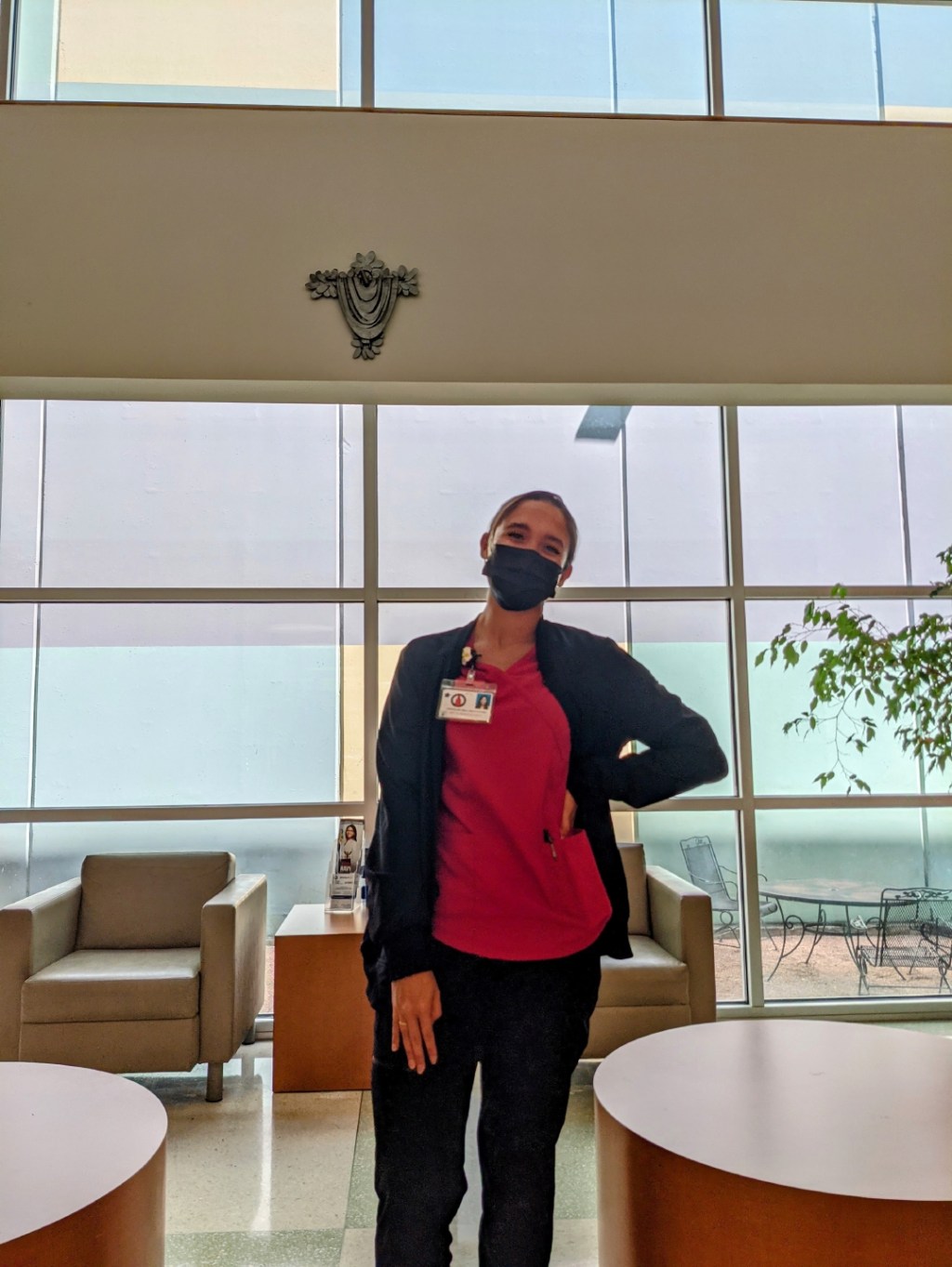
During Cianna Kaysing’s interview for the article on nursing school and ROTC, I realized there was so much there that I could not fit it into one article, so I split the wealth of information into two shorter articles, hence this second article in one week. ROTC is a program in and of itself, and while not as time-consuming as the nursing program, it still takes a lot of time and effort. To truly appreciate all that students like Cianna do, I would like to share what she shared with me concerning her field training during the summers. Something to note is that this training is not the only thing she does during the summer. As a nursing student, she picks up more shifts and most likely studies previous material (like pharmacology) to prepare for the NCLEX, so field training is just the cherry on top.
This is what she shared with me when asked about challenges in ROTC:
“One of my most challenging days in ROTC was the first time I went to FTX (Field Training Experience), which is a three-day/two-night training at a military designated area. The day started with a 0445-wakeup time. I packed all my gear into a huge rucksack and head to St. Mary’s for a 0545 first formation. We formed up into our respective companies, ate MREs for breakfast, and began preparing for take-off to Camp Bullis.
On this early Friday morning, it felt like one of the coldest mornings I had ever experienced. I want to say it was about 40 degrees outside and stayed around there all weekend, excluding early evenings when it warmed up to about 70 degrees.
After getting dropped off at an undisclosed location, the entire battalion trudged through the cold, muddy, and miserable morning in a ruck march formation with our 35+ pound rucks to our campsite three miles away. Just so you can get an idea, I am not a relatively fit person. I am starting to get into the best shape I’ve ever been in, but I was definitely not physically fit during my first FTX.
We went up hills, down through muddy streams, and I even tripped and fell on my back, thanking God that I didn’t twist an ankle. We were so exhausted, bruised, and blistered by the time we arrived at the field, but this didn’t stop us from carrying on with the day’s events. We ate snacks and went through multiple lectures on field tactics.
Afterwards, we prepared for multiple iterations of land navigation, which pushes cadets to overcome their fears of getting lost in dense vegetation and rely on the skills they practiced all year to help them find their way back home. The first iteration was short-distanced land nav, the second was long-distanced, and the third was at night so cadets had to use their sense of touch—only rarely could they turn on their red lights due to their tactical environment. Luckily, I was partnered up with a MS2, since I am an MS1 and considered a newbie to the program. I barely found any of the points out in the forest, but the actual experience of going out and being on mission was a pretty cool feat.
When all the cadets were accounted for, after losing several during Night Land Nav and having Cadre find them, we got to rest and eat some MREs for dinner. We didn’t get much time to ourselves, however, as lights out was fast approaching.
Night was the worst. After a day’s long journey filled with treacherous tree branches and slippery rocks, I could not fall asleep in my sleeping bag around 2100. What made it the worst was the extreme chilling winds and low temperatures at night, forcing me to cuddle closely into the fetal position and pray for some much-needed rest and warmth. A sleepless night was no problem though as wakeup time came at 0545 and we got ready for the next day’s events.”
Like every other student involved in extracurriculars, Cianna must find time to practice during the summer and attend special training. For TLU band students, this extra training may come in the form of Pep Palooza. Pep Palooza is basically a time before the semester starts that is dedicated to putting together band music for football or basketball games during the semester. For students involved in sports, this may come in the form of intense extra practices. Involvement in almost any extracurricular takes time, practice, and dedication, and although band and orchestra students may not do the physically grueling exercises of sports or ROTC, music is hard in its own way. Each extracurricular has its own set of challenges……which reminds me, so does clinicals. Stay tuned for next week’s article on clinicals!

 Official Website of Texas Lutheran University's Student Media