
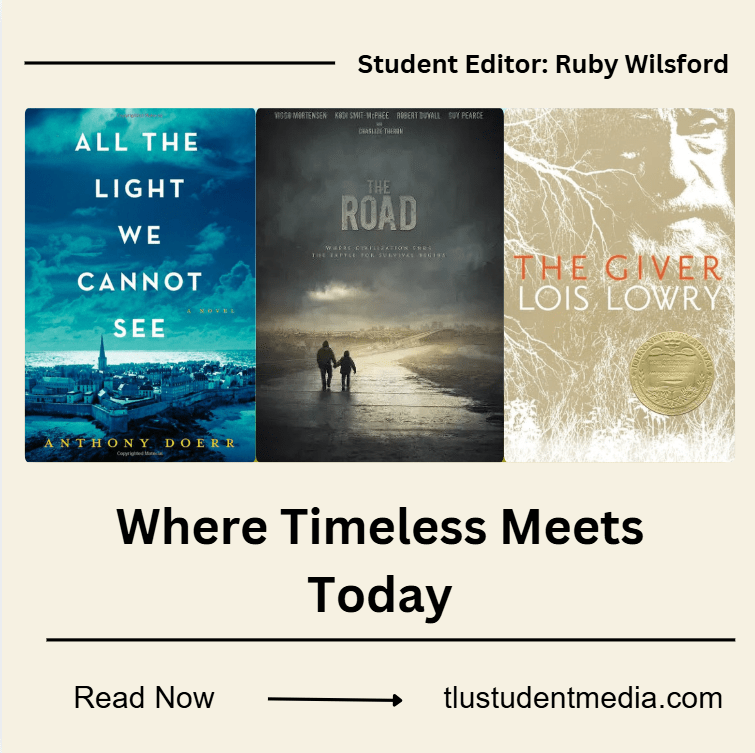
When we hear the term classics, our brains jump to the most well-known books from a time far before ours. Authors that have passed away, but their literary prowess lives through a category of work that has defined the modern literary era. The lasting cultural impacts that these books have had are present in the curriculum we’re taught and in the books that we read, so how are the things that we’re creating now going to influence the future in a similar way? Which of our books will be in the libraries for four hundred years?
At first it seems like an easy question, you may answer that of course your favorite book will be around after such a long time. Big names like The Hunger Games and Harry Potter are so popular, but even with that popularity the feelings of excitement revolving these stories may end if the themes can’t orient themselves to fit into the future of the literary world. You may even argue that most of our modern literature will still be around, but this entirely neglects the mass amounts of history we’ve lost to poor preservation techniques. The Smithsonian estimated in 2022 that we’ve lost over 90% of ancient literature and they’ve claimed that this quote is relatively low. The writing that has been lost range from journals to reports to novels and span thousands of years, and for some reason there is a small percentage that has survived and become a staple in literature and composition classes across the world.
Some of these staples are decades old; others are millennials, but they’re all translated, and their themes remain important across time. The oldest of stories share this lesson perfectly, in The Epic of Gilgamesh they exclaim “Time after time the river has risen and flooded. The insect leaves the cocoon to live but a minute. How long is the eye able to look at the sun? From the very beginning nothing at all has lasted.”. We see these cycles of books being created, falling into the shadows, and returning to the limelight to mold the minds of generations. So, if we look at some of the most influential literature of this era, what is likely to survive?
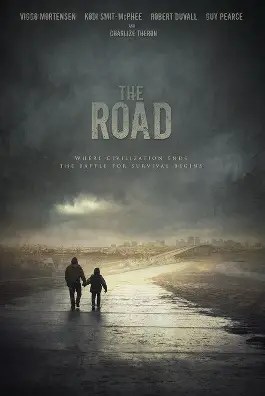
The Road by Cormac McCarthy
A winner of both the Pulitzer Prize and the National Book Award, The Road follows a man and a boy who are journeying to the world beyond the end. They are enduring the hardships of a lifeless world, and all they have is one another. The book explores the importance of family and what it means to protect something that you love. It shows the horrors of humanity and the lengths a parent would go to protect their child. It’s message to protect future generations is essential as we reach an era of change and growth within our society. The themes that it shares depict the beauty of familial bonds and the goal of finding something meaningful in a world devoid of meaning.
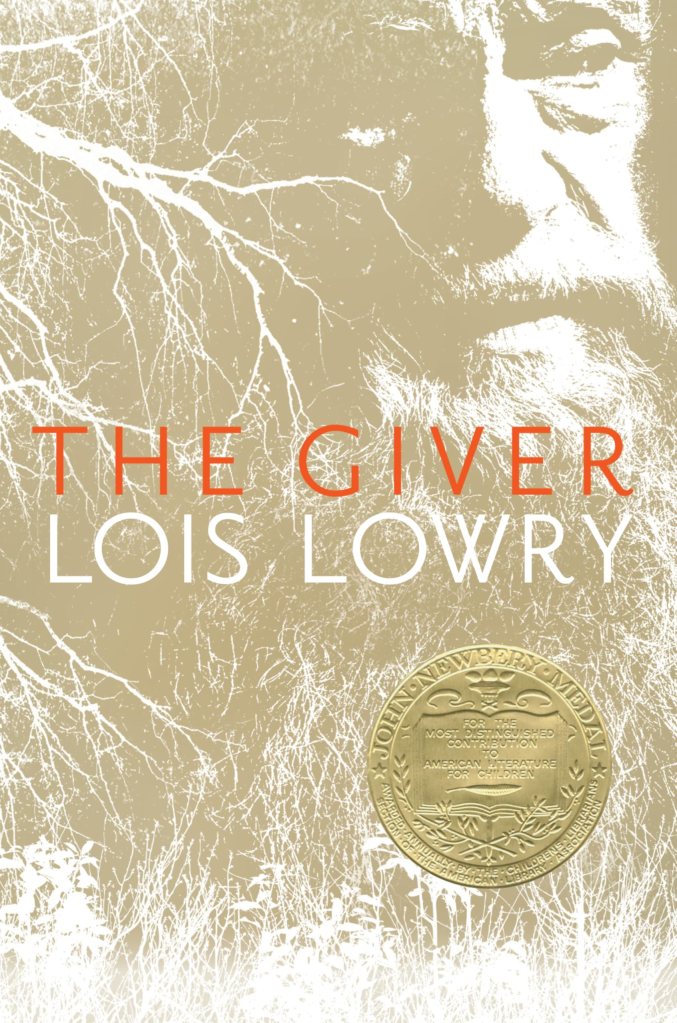
The Giver by Lois Lowry
Published in 1993, The Giver won the Newbery Medal in its second year. This marked it as a distinguished piece among children’s literature, but despite this the book has been challenged in over 11,000 schools for the themes that it presents. The story follows Jonas; a boy gifted with the job to know the truth about the world and see beyond the veil of his utopian society. We see the effects of a government that oversteps and the freedoms that are taken away; it presents the lives of people as exactly what they are when they don’t have a choice. They are cattle on their way to the slaughterhouse, fed and cared for only so long as the government demands it. It explores individuality and free will while showing youth that they don’t need to be subjected to control.
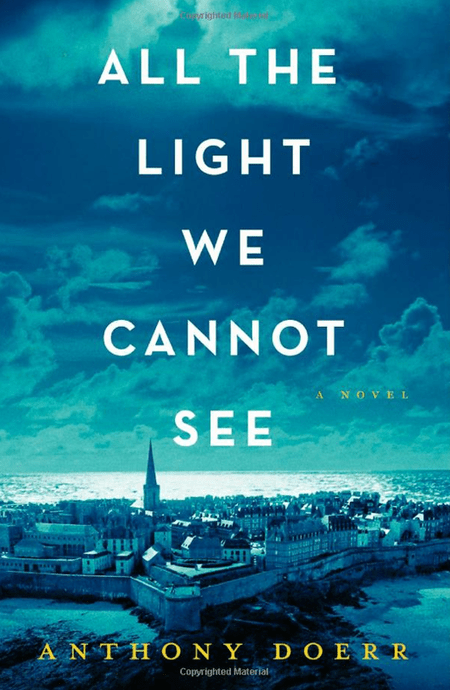
All The Light We Cannot See by Anthony Doerr
A Pulitzer Prize novel published in 2014; it follows the story of Marie and Werner. A blind girl and a young orphan boy who find their way together in the midst of World War 2. Marie struggles to hide a diamond and is plagued with the struggles of navigating a world that isn’t built for her. On the other hand, Werner makes decisions that lead further into a pit of despair. Despite the novels somewhat dejected ending, it explores themes of hopefulness and beauty in the face of destruction and carnage. It presents moral dilemmas that emphasize the importance of family, the horrors of war, and the duality of fate versus free will. It’s an homage to what horrors humans can cause but the beauty of our ability to reflect
The books that I’ve presented today are all examples of literature that have the underlying messages that are necessary to become a staple in classes across the world. Their themes are prevalent into today’s society, and they fit into the cyclical nature of stories. They are not commonly known, but those who read them have expressed a deep feeling of change or recognition when they’ve completed them. It is this underlying message that an author gives to the audience that makes them stand out from other books on the shelves.
We see these books as things that are new and unknown, but each of them carries a deep meaning with messages that are meant to be shared across all ages. They are read widely now but as time grows so will their following and the analysis of their words will become deeper. As individual societies and the larger globe continue to evolve, schools of thought, moral perspectives, and what’s deemed valuable will inevitably mirror outside change. With this in mind, it’s interesting to ask not only what modern literary works will stand in the test of time, but how they will be perceived by future audiences.

 Official Website of Texas Lutheran University's Student Media