

It came to my attention about a week ago of this term called “Iphone face”. About a couple days ago, I made the silliest mistake of going around asking every person I knew if I had the infamous “Iphone face” I was hearing about online. As they stared back at me with sheer confusion, I wondered what it is that compells me to say the things I say. Additionally, it made me wonder why my algorithm was pushing such different content from my fellow peers.
(If you’re also at a loss for what Iphone face is, there’s a link explaining the term at the bottom of this article.)
And why is it coined “Iphone face” of all things? What happened to saying you wanted Jennifer Aniston’s face card or the Clean Girl Aesthetic? Is the current culture centralizing beauty around class?
Hopefully not… But before we tackle that, let’s talk about how the internet is translating into our lives.
Who Calls the Shots?
With our every-day communication shifting from in-person conversations to online interactions via social media platforms, information and opinions are spread much quicker and to communities that the message may not have reached initially. With this, of course, comes with the tool of conveniency in sharing ideas and messages. The scary side of this though is the loose standard for credibility and “truth”. Now, when I say truth, I mean objective truth without dramatization or bias. The influx of social media has helped enhance communication of all sorts, but especially propaganda.
In interview with Chris Bollinger, the Head Department Chair for Communications and Languages here at TLU, my team and I asked him to explain what propaganda was. Something he identified with Modern Propaganda, as we know it, is its origin connection to war.

But does that make propaganda bad? Essentially, propaganda is utilized as any other communication tool, and as Bollinger puts it, propaganda is not inherently good or bad. It is the ethical standards behind the subjects and the intention of using propaganda.
“Propaganda relies on our brain using short-cuts.”
Professor Bollinger continued to explain that this is due to a lacking of ethical guidelines, and not just standards we hold people like investigative journalists to.

Bright and attention-seeking titles are not generally intended to give readers a chance to make their own opinion on a subject, it’s curated. This is where I’d say, the “tool” of conveniency that the internet has provided us, can also become a very dangerous evil.
It doesn’t feel like much of a surprise that we are currently living in what is being called the “anti-intellectualism era”. That’s not to say we are actively choosing to be ignorant, but we are choosing conveniency – and with this comes sacrifice of independent research and information processing to create an opinion for yourself that is authentic and multi-faceted. The way we are consuming information of all sorts has become monotonous with no offer for self-reflection. In other words, we’ve let other people think for us, and most of the people we see behind our screens are media trained for us to trust them. The marketing utilized for influencers on social platforms are not interested in you looking to them as purely a credible source, but as a friend. This can lead to ignorant mindsets when we are blindly submitting to the endless information and opinions being shared without deeper explanation as to its credibility and it’s bias. We need to pull the weight of finding credible and trustful sources, and take responsibility of our own understanding in this ever-changing world.
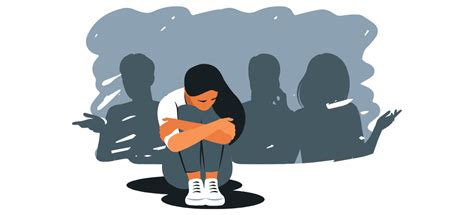
And this type of responsibility does not start online, it starts in real life. The bias I’ve seen in my own classmates as a result of our personal differences in race, class, and personal expression mirrors what I see everywhere online – the normalization of viewing your peers as “other.”
I’d assume this is caused by the glorification of rugged individualism in today’s society as well as a lack of personal reflection and introspection in moments of discomfort. For example, if I called someone racist, maybe they’ll flinch at the word and get defensive with no attempt to reflect as to why I’d call them this. If I told them I don’t like the way they are speaking to me, and explained a social layer they may not be realizing, they might be more inclined to give a chance at self-reflection. Now, I’m not suggesting that victims of microagressions shouldn’t call people out for being racist, do that. I’m saying that I theorize the reason people are choosing ignorance over self-reflection in these instances – is connected to the desire to escape self-reflection and ultimately escape a blow to the ego and a need to change how they identify themselves and their beliefs. We are valuing the comfort of our ego over progressive growth and understanding our community. After all, how can you feel judged, if you devalue anyone that makes you uncomfortable?
Suddenly, only your opinion matters, and those that blindly agree with you. And I’m a firm believer in not prioritizing people’s feelings if that means having to decenter your personal respect. If pointing out discrimination is seen as a problem because it hurts someone’s feelings, maybe the larger issue is the systemic ignorance towards the experiences of marginalized groups.
“We who know what it is like to be disregarded and disrespected, excluded, defamed, and oppressed already know much of what is needed to liberate the formally educated masses from their particular ignorance. But we should also be challenged and given opportunities to reach for philosophy and history and political theory and every other tool that can be turned to our service“
It’s important now, more than ever, to know where you’re getting your information from, and what type of relationships you surround yourself with. Do your relationships encourage growth? Do they encourage introspection and humility, room for reflection and compassion? You can’t become a better person without a willingness to grow and step away from the idea that you are a simple individual.
Strive to be ever-changing, to be multi-faceted, and more importantly, to be authentic.
Links:
What is Iphone face? https://www.nssmag.com/en/fashion/35861/iphone-face
Article on Anti-Intellectualism in the social justice sphere: https://www.opendemocracy.net/en/transformation/anti-intellectualism-of-social-justice-community-is-killing-us/

 Official Website of Texas Lutheran University's Student Media